Will Petrol and Diesel Prices Go Up Now?
The jump in the price of oil triggered by the conflict in the Middle East has raised the possibility of higher fuel costs for motorists. Iran has warned vessels not to pass through the Strait of Hormuz, a crucial waterway in the south of the country through which about 20% of the world’s oil and gas is shipped.
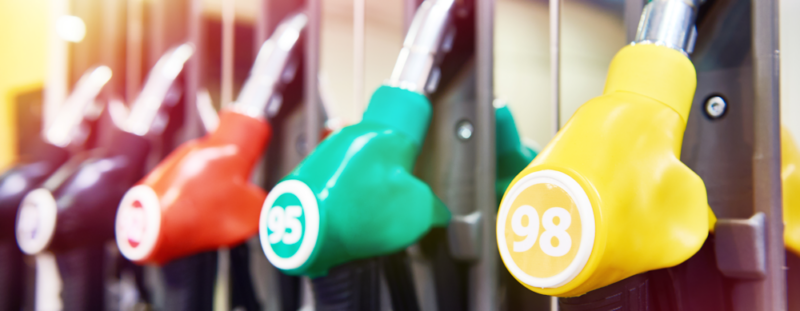
If these restrictions persist and oil prices remain high for some time, the worry is this will have knock-on effects on prices of a number of goods.
However, there remains a huge amount of uncertainty at this stage as to whether the conflict will have a lasting effect on the price of oil, gas and wider energy costs.
Crude oil is a key ingredient in petrol and diesel, meaning higher oil prices could eventually drive up prices at the pumps.
The AA motoring group says that over the next few weeks fuel costs could return to where they were at the start of the year.
The BBC is reporting that this would be a change to the general trajectory of fuel prices, which have been falling on UK forecourts over the past few weeks. Further rises will depend on the magnitude and duration of the conflict.
Currently, the average price for petrol is 135.2p a litre and 145.66p for diesel, according to data from car insurer RAC.
Simon Williams from the RAC said: “The average price of petrol has increased by nearly 2.5p a litre since Saturday [when the conflict began] and diesel by more than 3p on the back of oil surging above $81 a barrel – a price not seen since January last year.
“Providing oil stays around this level, the average price of petrol shouldn’t really rise to more than 136p. Diesel, however, is increasing at a faster rate.”
He previously told the BBC: “At $90 [a barrel], we’d be looking at over 140p a litre and $100 would take us nearer to 150p, but it’s all too soon to know.” He added that there was a tendency for price increases to be passed on far more quickly than cuts.
The UK is heavily reliant on oil and gas imports, with the lion’s share of those imports coming from the US and Norway.
Though the UK does get oil from the North Sea, most of that is exported as the UK does not have adequate refinery capabilities to make it useable.
The price the UK pays for gas and oil depends on how much it is traded for on global markets.