The Top 5 Key Elements of Interior Design Explained
Interior design is not just about how a room looks. It is also about how it works for you and your family every day. The elements of good interior design shape every design scheme, whether in a small flat or a larger family home. When you understand these five parts, you will feel confident making choices for your own home. This guide will help you use colour, space, texture, pattern, and light in a simple, smart way.
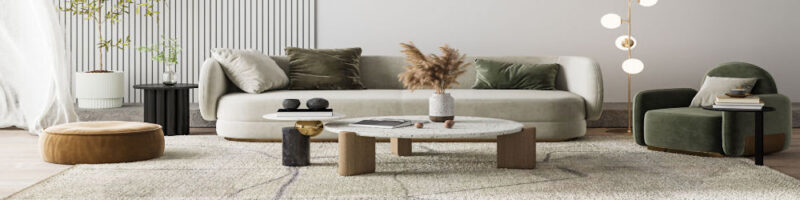
The top five key things that every room needs in interior design are colour, space, texture, pattern, and light. Each element serves a different purpose. Still, each one can have a big impact on how a room looks and works. As you notice these things, your design intuition improves. You will start to see why some rooms feel balanced. You may also see why others don’t feel balanced. The next parts give a closer look at each part. They explain why each one is important for a space that feels right.
1. Colour: Setting the Mood and Atmosphere
Colour is the first thing most people notice when they walk into a room. It can set the mood right away. A carefully chosen palette can make a room feel calm. It can also feel warm, fresh, or bold. In colour theory, colours work together to bring out harmony or contrast. So choose colours that match the feel you want for your space.
You don’t need to pick lots of colours. A gentle base plus one accent wall can change a room’s feel. If you want a stronger style, dramatic blues or other bold hues can add real personality without making it feel messy.
Good colour combinations help bring the furniture, finishes, and styling together. That is why choosing the right colours matters in any room. A design scheme with good colour combinations helps guide the eye. It supports your style and gives your space a clear feel right from the start.
2. Space: Balancing Function and Comfort
A beautiful room should also work well for you. Space planning is key here. It helps you consider layout, movement, and comfort at once. A room should feel easy to use. It should not feel crowded or strange.
Start by deciding how you want the room to work. In a living area, keep the seating area clear. This can help people move and talk. In a dining room, make sure the table lets people walk around it with ease. You can also set up cosy nooks for reading, working, or relaxing. Make sure these nooks don’t block people from moving around the room.
Many people put too much furniture in the room. Some people leave spots with no clear use. Both can make the home feel less cosy. Good space planning helps you use every part of the room. It makes the room feel more useful and comfortable.
3. Texture: Adding Depth and Interest
Texture adds feel and look to a room. It comes from things like floors, walls, fabric, wood, stone, and other surfaces. A room without texture can feel flat, even if you plan it well. When you use texture, the space feels full and has more layers.
A good way to use texture in a room is to mix different textures with care. Pairing rustic wood with softer fabrics creates contrast. Smooth finishes pair well with woven pieces or other tactile textures. Before you add new items, look at existing textures. This helps the room feel connected and not too busy.
Many homeowners don’t always think about texture. This is because it doesn’t stand out the same way as colour or furniture. But texture is part of a solid design foundation. A good variety of textures brings warmth and balance to a room. It also adds quiet visual interest without big changes.
4. Pattern: Creating Visual Movement
Pattern helps the room feel active. It gives your eye something to follow and makes the space feel more visually grounded. You can create this feel with geometric forms, abstract designs, and repeating shapes. Small details like vertical lines pull your eye up and make the room feel a bit bigger.
When you use a pattern well, it can create radial balance around a focal point. A pattern can also bring some energy to parts of the room that feel too quiet. You might see patterns in fabrics, wall treatments, rugs, or small decor items. Even a simple repeat of shapes or lines can make the room feel more thought out and full of life.
Yes, you can use patterns in both modern and traditional styles. It is not about the style, but about the size and where you put it. In one home, a soft print may fit the look. In another, a bright pattern can stand out and be what people remember.
5. Light: Enhancing Ambience and Functionality
Light strongly affects how a room looks. Natural light can help a room feel open, calm, and warm. It also changes how you see colours, materials, and finishes throughout the day. So, it is good to think about natural light early when planning a space.
Artificial lighting is important too. Ambient lighting brightens the whole room. Task lighting helps you see better for things you need to do. Accent lighting shows off special parts of the room. Using all three together makes the space feel better and work well at any time.
Light fixtures can enhance a room’s design. Beautiful lights give style and help you see better. When things are balanced, lighting helps colours look clear, lets you see texture, shows off patterns, and helps the space feel neat and well put together.
How the Top 5 Interior Design Elements Work Together for a Balanced Home
A balanced home happens when the five elements support each other and don’t fight for attention. Colour sets the feel. Space helps decide how you use the area. Texture gives depth. Pattern makes things feel like they move. Light ties everything together. When you put these things together well, you get harmonious spaces that feel calm, useful, and made just for you.
You can think of it as a basic way to balance yang in interior design. No item should stand alone. When you put things together, it all feels more real. To show how to use this idea, let’s talk about a living room next.
Practical Examples in a Living Room Setting
In a living room, you can see five elements if you know what to look for. A soft wall colour sets the room’s feel. The sofa and chairs show how people will sit and gather. Texture shows through things like fabric or in some wood pieces. You will spot patterns with the cushions or on the rug.
Here is a simple text table you can use as a guide:
| Element Living | g room example |
|---|---|
| Colour | A calm base shade with one accent wall behind the sofa |
| Space | A clear seating area arranged around a coffee table |
| Texture | Rustic wood, woven fabric, and smooth painted surfaces |
| Pattern | Printed cushions or abstract designs in a rug |
| Light | Natural daylight, floor lamps, and statement light fixtures |
Create a natural focal point by choosing one main piece of furniture, like the sofa or the fireplace. Then, add beautiful lights and some small decor items around it. This will help keep the room balanced, easy to read, and enjoyable for everyone.
Tips for Beginners to Use the Top 5 Elements in Home Decorating Projects
If you are new to decorating your own home, start with something small. You don’t have to change all your rooms right now. Take a closer look at one room. See what already works in it. Then use the same approach in other rooms. Build on what you like, step by step.
These steps can help:
- Pick one carefully chosen palette before you buy anything new.
- Look at the layout first so the room can support your different needs.
- Use only a few different textures in the room. This helps to keep it neat and not too busy for the eye.
- Add lighting in layers, not just one light on the ceiling.
Learning design is much like booking or taking a painting class. You get better as you notice balance, contrast, and rhythm over time. This is where the endless possibilities open up for you. If you are looking for expert help, Sibylle Clerey Interiors can support concept development, space planning, materials, lighting, sourcing what you need, and styling.
Creating a Harmonious & Inviting Atmosphere
To sum up, the five main elements of interior design are colour, space, texture, pattern, and light. Together, they make your home feel warm and welcoming. When you understand how they work together, your rooms look and feel better. Your rooms can take on a new style and become easier to use. It doesn’t matter whether you are new to this or have done it for years. Using these interior design elements makes your home feel better to live in. Good design reflects your style and makes day-to-day life easier. If you need help with your design ideas, you can get a consultation.
Frequently Asked Questions
Are the top 5 interior design elements different from the 7 principles of design?
Yes. The top five things in a room are the colour, space, texture, pattern, and light. These are called the room’s elements. The principles of interior design show you how to work with these elements to make the space feel right. A good interior designer or a helpful interior design book will show you that these things are all tied together, but they are not the same. These are the design’s key features, and you need to use them well.