Employing an Interior Designer for Your Business
In a market where clients have more choice than ever, and employees can work from almost anywhere, your workplace is no longer just a place to sit at a desk – it is a strategic business asset. Hiring a corporate interior designer isn’t a cosmetic luxury or a “nice to have”, but a clear competitive advantage. A professional designer helps you turn your office into a high-performing environment that supports your people, expresses your brand and makes every square metre work harder for your business.
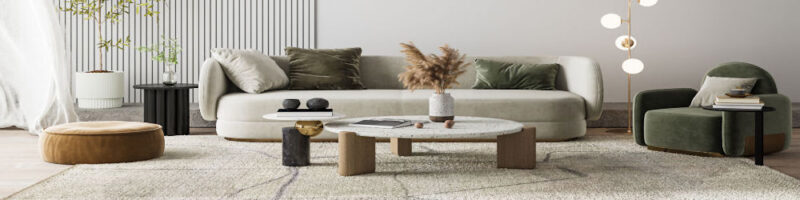
Corporate interior design brings together architecture, psychology, branding and workplace strategy. Instead of simply choosing furniture or colours, a designer considers how your teams work, how clients move through your space, and how your office aligns with your long-term business goals. By investing in professional office design, you gain a workplace environment that improves productivity, strengthens your brand and supports growth – benefits that directly impact your bottom line and position your business ahead of less considered competitors.
What Does a Corporate Interior Designer Actually Do for Your Business?
A corporate interior designer’s role goes far beyond making your office look attractive. They provide a full range of commercial interior design services, from initial workplace planning through to final installation and handover. This begins with understanding your business: how different departments operate, how information flows, what your culture feels like and where existing pain points lie. They then translate this insight into a practical office layout design that supports both day-to-day tasks and long-term strategy.
This involves detailed business space planning, including desk arrangements, storage solutions, circulation routes and the balance between focused and collaborative areas. A brand-led interior design approach ensures that your corporate identity is expressed in three dimensions – through colour, materials, graphics, lighting and the overall atmosphere of the space. A good designer also coordinates with contractors, furniture suppliers and technology specialists, acting as a single point of contact to keep the project on time and on budget. In short, they manage the complexity so you can stay focused on running your business, while knowing your workplace is being designed with purpose and expertise.
How Professional Interior Design Directly Impacts Your Bottom Line
Professional interior design is an investment that delivers measurable returns, not a sunk cost. A well-designed office directly affects key performance indicators such as productivity, staff retention and client conversion. Thoughtful space planning, acoustic control and lighting design can significantly reduce distractions and fatigue, allowing employees to get more done in less time and with fewer errors. Over a year, this productivity uplift can far exceed the original design and fit-out costs.
Employee wellbeing is another critical factor. Comfortable, healthy environments with good air quality, natural light and ergonomic workstations reduce sickness absence and burnout. When people feel looked after and proud of their workplace, they are more likely to stay – cutting the high cost of recruiting and training new staff. Your office’s perception matters to clients and partners. A professional, well-considered environment builds confidence in your capability and reliability, helping you win and retain business. When you consider the value of professional design against improved profitability, reduced staff turnover and stronger client relationships, the return on investment in office design becomes compelling.
Branding in 3D: Interior Design to Express Your Brand and Culture
Your office is often the first physical touchpoint for clients, candidates and partners, and it should tell the story of who you are before anyone says a word. Corporate interior design allows you to bring your brand to life in three dimensions, creating a consistent and memorable brand experience in the workplace. This goes far beyond putting a logo in reception. It means using form, colour, materials, graphics and layout to reflect your values, personality and positioning.
Branded office interiors can be tailored for different audiences: an inviting, impressive reception design that sets the tone on arrival; client-facing spaces and meeting room designs that support the types of conversations you have, whether collaborative, confidential or creative; and internal areas that reinforce your culture for employees every day. A brand-led workplace strengthens corporate identity, supports cultural change programmes and helps your organisation stand out in a crowded marketplace.
Designing a Workspace People Actually Want to Work In
As hybrid and remote working become more common, employees need a real reason to come into the office. A corporate interior designer can create a workspace that people genuinely prefer to use, rather than feel obliged to attend. This means considering employee productivity and wellbeing together: designing ergonomic workstations that reduce physical strain, providing quiet focus areas for concentrated work, and creating breakout spaces where staff can relax, recharge or have informal conversations.
Collaborative zones – from project rooms to open team areas – can be carefully located and acoustically managed so they support teamwork without disrupting others. Flexible office design also supports hybrid working patterns, allowing people to move between space types depending on the task at hand. When employees feel supported, comfortable and engaged in their environment, satisfaction rises, and staff retention improves. Over time, this stability becomes a genuine competitive advantage.
Planning for Growth: Future Proofing Your Office with Strategic Interior Design
Businesses rarely stay the same size or work in the same way for long. Strategic interior design anticipates change and builds in flexibility from the start. A corporate interior designer will help you plan a scalable office design with flexible layouts that can be reconfigured as teams expand, contract or reorganise. Agile workspaces, with modular furniture and adaptable zones, let you adjust the environment without major disruption or extra fit-out costs.
Smart storage, booking systems, and varied work settings support hot-desking and hybrid work models, so the space remains efficient even as occupancy patterns change. A future-proof workplace can evolve with new technology, new working styles, and new business priorities. With a long-term space strategy, you avoid repeated, expensive redesigns and keep your office serving you well for years.
Why Employing a Corporate Interior Designer Can Save You Money
While hiring a professional might seem costly, a corporate interior designer often saves you significant money over the life of your office. They can help you set and manage a realistic fit-out budget, prioritising investment where it will have the greatest impact. Through value engineering, they identify where to spend and where to save, balancing aesthetics, performance and durability to avoid false economies.
Crucially, a designer helps you avoid common, costly mistakes: poor layouts that waste space, furniture that does not fit, finishes that wear out quickly, and design decisions that lead to expensive on-site changes. By optimising space and reducing wasted areas, you may even be able to occupy a smaller floorplate or delay moving to larger premises. Considering lifecycle costs, including maintenance and energy use, a professional can specify energy-efficient design solutions that cut ongoing overheads, from lighting to heating and cooling. Over time, these savings can be substantial.
Key Considerations When Employing an Interior Designer for Your Business
Choosing the right corporate interior designer is essential to achieving the results you want. You should look for qualifications and experience relevant to commercial projects, along with proven industry expertise in your particular sector, whether that is professional services, technology, finance or creative industries. Reviewing completed projects, testimonials, and case studies will help you understand their design style and capability.
Ask potential designers about their design process and how they manage projects from concept through completion. Clarify who your day-to-day contact will be, how they manage cost control, and how they ensure compliance with UK regulations. Ask questions that explore how they understand your culture, ways of working, and business objectives. A strong working relationship, built on clear communication and a structured approach, will significantly increase the chances of a successful outcome.
Corporate Interior Design Process: from Brief to Handover
Our corporate interior design process starts with a design brief that captures your objectives, constraints, and aspirations in detail. Many designers offer workplace consultancy at this stage, analysing how your teams currently use space and identifying opportunities for improvement. This insight informs the concept design phase, where we explore initial ideas, layouts, and look-and-feel directions.
From there, we produce detailed space planning and technical drawings, often supported by 3D visualisations so you can clearly understand and sign off on the proposed scheme. We select materials and finishes for both performance and appearance, considering durability, maintenance, and sustainability. During construction and fit-out, the designer may provide ongoing design oversight, coordinating with contractors to ensure the original vision is delivered correctly. Finally, snagging and handover ensure any issues are resolved, and you receive all necessary documentation, manuals and certifications for your new workplace.
Compliance, Safety and Sustainability: Getting It Right the First Time
Corporate interior design must meet a range of legal and best practice requirements, especially in the UK. A professional designer understands how to comply with UK building regulations, health and safety obligations, accessibility standards and fire regulations, reducing your exposure to risk and potential legal consequences. They factor in safe escape routes, appropriate fire-rated materials, adequate lighting levels and inclusive access for all users from the outset.
Sustainability is also a key consideration for modern businesses. Designers can help you pursue sustainable office design strategies, including eco-friendly materials, energy-efficient lighting, and systems that reduce water and energy consumption. They may work to standards such as BREEAM or other environmental assessment methods, helping you meet corporate ESG commitments and reduce running costs. Getting these elements right the first time avoids costly remedial work and demonstrates your organisation’s responsibility to staff, visitors and the environment.
Working with a Budget: How to Maximise Impact Without Overspending
Most businesses operate within clear financial parameters, and a skilled corporate interior designer knows how to maximise impact within your budget. They can provide realistic guidance on office fit-out costs in the UK, breaking down where money is typically spent and where you can safely compromise. Value engineering techniques ensure that essential elements such as acoustics, lighting and ergonomics are properly funded, while less critical features are tailored to suit your budget.
Phased refurbishment strategies can also help spread investment over time, allowing you to upgrade key areas first – such as reception or client meeting spaces – and then address the wider office in stages. Designers can advise on landlord negotiations, dilapidations and cost planning, helping you avoid unexpected expenses. The result is a workplace that feels coherent and professional, achieved with careful financial management rather than uncontrolled spending.
Real-World Transformations: Before-and-After Examples That Convince Stakeholders
Stakeholders such as directors, finance teams or landlords are often persuaded most effectively by clear, real-world evidence. Corporate interior designers often use case studies of successful office refurbishments to show the tangible value of good design. Before-and-after comparisons can show how a tired, inefficient space has been transformed into a vibrant, functional workplace that supports modern ways of working.
These case studies may highlight improved staff satisfaction scores, increased collaboration, higher client conversion rates or reduced absenteeism following a refurbishment. By presenting measurable design outcomes – such as reduced real estate costs per employee or higher utilisation of meeting rooms – you can build a strong business case for investment. This evidence helps secure stakeholder buy-in and reduces the perception of interior design as a purely aesthetic exercise.
How to Brief Your Corporate Interior Designer for the Best Results
A clear, comprehensive design brief is one of the most powerful tools for a successful project. When writing a design brief, you should articulate your business objectives, including how you expect the new workplace to support your strategy, culture and performance. Accurate information on current headcount and growth plans helps your designer plan for both immediate and future needs.
Explaining your ways of working – levels of hybrid working, departmental relationships, typical tasks and collaboration patterns – helps the designer create spaces that genuinely support your teams. Also include technology requirements, from AV and video conferencing to IT infrastructure. It is helpful to distinguish between must-haves and nice-to-haves, so your designer can prioritise within the available budget and space. Sharing your culture, values, and any brand guidelines will further ensure the final design feels authentic to your organisation.
Common Mistakes Businesses Make When They Don’t Use a Professional Designer
When businesses attempt DIY office design or rely solely on furniture suppliers, they often fall into avoidable traps. Poor space planning can lead to cramped desks, bottlenecks in circulation routes, or underused areas that waste rent. Many underestimate the importance of acoustics, resulting in noisy, distracting environments that frustrate staff and reduce productivity. Bad lighting – whether too dim, too harsh or poorly positioned – can cause eye strain, headaches and a generally uncomfortable atmosphere.
Inconsistent branding is another common issue, with mismatched colours, graphics and furniture sending mixed messages about the organisation. Perhaps most seriously, non-compliance with fire regulations, accessibility standards or other legal requirements can put people at risk and expose the business to costly enforcement action. These issues often lead to expensive redesigns or remedial works. Engaging a professional designer from the outset helps you avoid these pitfalls and ensures your investment delivers lasting value.
Why Now Is the Time to Employ a Corporate Interior Designer for Your Business
The way we work has changed dramatically, and workplace expectations have risen with it. Employees want environments that support flexibility, wellbeing and collaboration; clients expect modern, credible spaces that reflect your professionalism and capability. Now is a good time to invest in your workplace, modernise your office, and make sure it meets your current and future needs.
By engaging a professional designer or commercial design consultancy, you can create a clear roadmap for office refurbishment, whether that involves a full fit-out or a carefully phased upgrade. A considered, well-designed workplace will help you attract and retain talent, impress clients and support business performance for years to come. Rather than viewing interior design as an optional extra, recognising it as a strategic investment today can give your business a meaningful edge in tomorrow’s competitive landscape.