Why Buying A New Suit Is An Investment
A well-chosen suit is far more than just another item in your wardrobe – it is an investment in how you present yourself to the world, how confident you feel, and how seriously others take you. Whether you are buying your very first suit, upgrading a tired old one, or adding a new option for work or special occasions, the right suit can pay you back many times over in improved first impressions, career opportunities and everyday confidence.
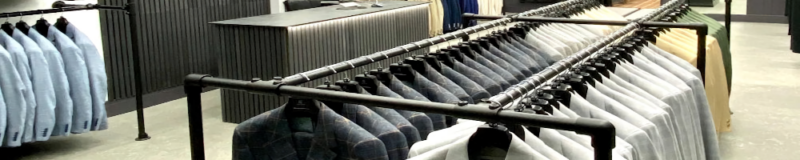
In the UK, men’s suits remain a quiet marker of professionalism, taste and reliability, which is why treating your next suit as an investment, not a throwaway purchase, is so important.
From that crucial job interview to a friend’s wedding, from the office to black-tie events, the right suit helps you look put-together without effort. Instead of scrambling at the last minute for something “that will do”, you have a reliable, go-to option ready in your wardrobe – one that fits, flatters and feels like it was meant for you. With a clear plan, a sensible budget and a little knowledge, buying a new suit becomes a smart, long-term decision rather than an impulse buy you regret.
Decide Why You’re Buying A New Suit (Occasion, Image, Budget)
Before you start looking at fabrics and fits, be absolutely clear why you are buying a new suit. Your main reason will shape every decision that follows – from colour and style to how much you should realistically spend.
If you need a suit for a job interview or a promotion meeting, you want something that looks professional, trustworthy and not too flashy. A business suit in navy or dark grey is ideal here. For a wedding suit, you might lean towards lighter tones, bolder checks or a soft tweed, depending on the season and dress code. If you attend formal events or black-tie occasions, you may need a dedicated formal suit or dinner suit that follows traditional rules. For an everyday work suit, durability, comfort, and versatility matter more than statement style.
Ask yourself some direct questions: Is this primarily a suit for work, for special occasions, or a bit of both? Do you want to look more authoritative, more modern, more approachable? How often will you realistically wear it? Your image goals matter as much as the occasion.
Once you are clear on purpose, set a realistic suit budget. Decide in advance how much you are willing to invest so you are not pressured into overspending or tempted by cheap options that will look tired after a few months. For many men in the UK, spending a little more on a well-made suit that fits properly makes far more sense than buying a bargain suit that never quite looks right. Consider cost-per-wear: a quality suit that you wear regularly quickly becomes far better value than a cheap one that lives at the back of the wardrobe.
Off-the-Peg, Made-to-Measure or Bespoke: Which Suit Option Is Right for You?
Once you know why you are buying, the next decision is how your suit will be made. In the UK, you will typically choosetypically choose between three main options: off-the-peg, made-to-measure, and bespoke.
Off-the-peg (or ready-made) suits are available immediately in standard sizes. They are usually the most affordable and convenient choice, especially if you need something quickly for a job interview or event. High-street shops, department stores and many online retailers offer a wide range of styles. However, because they are cut to generic measurements, they may not fit your body perfectly straight off the hanger. Minor suit alterations – such as adjusting sleeve length or trouser hem – can improve an off-the-peg suit dramatically.
Made-to-measure suits sit in the middle. The tailor starts from an existing pattern but adjusts it using your specific measurements, posture and preferences. You choose details such as fabric, lining, lapel style and buttons. This option usually gives you better fit and more personalisation without the full cost of a truly bespoke suit. For many men investing in a suit they plan to wear often, made-to-measure offers an excellent balance of price, fit and individuality.
Bespoke suits are the top end of tailoring. A pattern is created from scratch for your body, with multiple fittings to refine the cut. If you opt for a bespoke suit in the UK, you are entering the world of traditional tailoring – think Savile Row standards. You can customise almost every detail, from pocket styles to lapel width. This is usually the most expensive option, but if you want a suit that feels like a second skin and will last for years, bespoke can be a genuine investment piece.
Consider your budget, how demanding you are about fit, and how often you will wear the suit. Even a relatively simple tailored suit, when chosen carefully, can look far superior to an ill-fitting designer label.
Understanding Suit Fit: The Simple Rules That Make You Look Instantly Better
Fit is the single biggest factor in how good a suit looks. A moderately priced suit that fits well will always look better than an expensive one that doesn’t. Understanding a few basic rules will help you find the best-fitting suit for your frame.
Start with the shoulders. The shoulder seam should sit exactly where your shoulder ends, not drooping down your arm or straining across your upper back. If the shoulders are wrong, no amount of tailoring will fix it easily, so prioritise this area when trying on jackets.
Check the jacket length. A classic guide is that the jacket hem should roughly cover your seat and divide your body in visually pleasing proportions. Too short and it looks trendy but may quickly date; too long and it can make you appear shorter and heavier.
Sleeve length matters more than many people realise. Ideally, the jacket sleeve should end at the wrist bone, allowing about a centimetre or so of shirt cuff to show. This small detail instantly makes you look more polished.
For the trousers, pay attention to the trouser break – the way the fabric meets your shoe. A light break, where the fabric rests on the top of the shoe with a small crease, is the most modern and flattering for most men. Too much fabric pooling at the ankle looks sloppy; trousers cut too short can look awkward unless deliberately styled that way.
Consider the overall cut: slim fit, regular fit, or tailored fit. A slim-fit suit can look sharp but may be uncomfortable if it’s too tight across the seat, thighs, or chest. A regular fit offers more room but can appear boxy if not balanced. A tailored fit follows your natural lines without clinging, creating a clean, flattering shape. When in doubt, choose the cut that allows you to move comfortably – you should be able to sit, reach and walk without feeling restricted or seeing fabric pulling across buttons and seams.
Fabric Matters: Picking the Right Material When Buying A New Suit
The fabric you choose will determine how comfortable your suit feels and how long it lasts. In the UK, where the weather is often cool, damp and changeable, choosing the right suit material is especially important.
Wool is the classic choice for men’s suits and for good reason. A good-quality wool suit is breathable, drapes well, and works in most seasons, especially in a medium weight. It helps regulate temperature, keeping you warm in winter and reasonably cool in milder weather.
Tweed suits, a British favourite, are ideal for colder months, country weddings and more relaxed formal occasions. Tweed is heavier, warm and durable, with a distinctive texture that adds character.
For summer, a linen suit or a linen blend can be excellent. Linen is light and breathable, perfect for hot days, but it does crease easily – which some people love for its relaxed charm, and others dislike. Cotton suits offer a similar casual feel and work well in warmer weather or at smart-casual events.
Consider suit fabric weight if you want an all-season suit. A mid-weight wool in a versatile colour can serve you well most of the year in the UK with appropriate layering. Look for quality suit materials with a smooth handle and good recovery (the fabric should bounce back when lightly squeezed rather than staying wrinkled).
If you run warm or commute on busy trains, prioritise breathable suit fabrics and avoid anything that feels heavy or stiff. A slightly stretchy wool blend can add comfort without sacrificing a sharp appearance.
Colours and Patterns: Choosing a Suit You’ll Actually Wear
Colour and pattern are where many people go wrong, especially when buying their first suit. The aim is to choose a suit you’ll reach for again and again, not something that only works for one specific event.
A navy suit is arguably the most versatile first suit. It works for job interviews, the office, weddings, dinners and many semi-formal occasions. It is business-appropriate without being dull and pairs easily with a wide range of shirts and ties.
A mid-grey or charcoal grey suit is another highly practical choice. Grey can look particularly sophisticated in a business setting and transitions well into evening events. Together, a navy and a grey suit can cover almost all your formal needs.
Black suits are often chosen first, but they are best reserved for very formal settings, black-tie alternatives, certain evening events and specific professions. For daily office wear, navy or grey usually looks more natural and less severe.
When it comes to patterns, plain suits are the most versatile and timeless. However, a subtle pinstripe or lightly checked suit can add interest while staying business-appropriate if the colours are muted. Bold checks and strong patterns work better as additional suits once you have the core basics, since they are less flexible.
Ask yourself: can I imagine wearing this at work, at a wedding, at a nice dinner? If the answer is yes in several situations, you are probably choosing a good, versatile suit colour.
Key Style Details: Lapels, Vents, Buttons and Pockets Explained
The finer details of a suit can seem overwhelming at first, but understanding a few basics will help you choose a style that suits your body shape and the occasions you have in mind.
Lapels are the folded flaps on the front of the jacket. A notch lapel is the most common and versatile option, suitable for business suits, everyday work suits and most formal situations. A peak lapel feels slightly more formal and can give a stronger, more confident look, often seen on double-breasted or high-end suits. Shawl lapels are usually reserved for dinner jackets and black tie suits.
Most modern suits are single-breasted, with one row of buttons. A two-button suit is the standard and works well for most men. Double-breasted suits have two parallel rows of buttons and create a more formal, traditional silhouette that can look very sharp if well fitted, but they are less forgiving and more of a statement.
Vents are the slits at the back of the jacket. Side vents (two openings, one on each side) allow easier movement and can be more flattering when you sit or put your hands in your pockets. A centre vent (one opening in the middle) is common and practical. Your choice here largely comes down to preference and body shape.
Pocket styles, such as a ticket pocket (a small extra pocket above the main one), can add a touch of traditional tailoring flair. Flap pockets are standard on business suits, while jetted pockets can give a cleaner, dressier appearance.
These details might seem minor, but together they influence the overall impression of your suit – modern or classic, subtle or bold, relaxed or formal. Choosing thoughtfully ensures your suit supports the image you want to project.
Finding the Right Tailor or Shop in the UK
Where you buy your suit matters almost as much as which suit you choose. The right tailor or shop will guide you towards styles that suit your build, help you understand sizing, and arrange alterations to ensure a proper fit.
In the UK, you have many options. Savile Row-style tailors in London are world-famous for craftsmanship and bespoke work. Still, excellent local tailors and independent boutiques across the country offer made-to-measure and high-quality off-the-rack suits. Department stores offer a wide selection of brands and price points, often with in-house suit fitting and alterations.
If you search for a “suit shop near me”, visit more than one and compare their approach. A good shop or tailor will ask about your lifestyle, where you plan to wear the suit, your budget and your preferences. They shouldn’t rush you, and they should be honest if something doesn’t flatter your shape.
Online suit shopping in the UK has improved significantly, with many retailers offering detailed size guides, virtual tailoring tools and easy returns. However, even if you buy online, it is worth building a relationship with a local alterations tailor to fine-tune the fit once the suit arrives.
Trying On: What to Check Before You Commit to Buying A New Suit
Never buy a suit – especially your first or most important one – without trying it on properly, or at the very least doing a careful at-home try-on if ordered online. Use a simple suit fitting checklist to avoid costly mistakes.
When you put the suit on, fasten the jacket and stand naturally. Check that nothing pulls across the buttons or chest and that nothing gaps around the lapels. Check the shoulder line, sleeve length, and jacket length in a full-length mirror.
Do a “move test” in the suit. Sit down, raise your arms, reach forward, and walk around. You should feel comfortable, not trapped. If you cannot move freely now, you certainly will not enjoy wearing it for hours at an event or long workday.
Inspect the seams and stitching. Quality suit construction shows neat, even stitching, secure buttons, and smooth lining. Check both the inside and the outside. Feel the fabric – it should not feel scratchy or overly flimsy.
Balance comfort vs style. A suit that looks razor-sharp on the hanger but feels tight, itchy or restrictive will end up staying in the wardrobe. Conversely, a suit that feels like loungewear but looks shapeless will not give you the polished appearance you are aiming for. The goal is a comfortable, confident middle ground.
Shirts, Shoes and Accessories: Completing the Look
Even the best suit relies on what you wear with it. To get full value from your investment, think about shirts, shoes and accessories as part of a complete outfit.
For business and formal occasions, a crisp white or light blue shirt is almost always a safe, stylish choice. For more relaxed settings, you can add subtle patterns or different colours, as long as they complement the suit.
Decide whether to wear a tie. In more traditional or formal workplaces and events, a tie remains important. Choose one that contrasts with the shirt and harmonises with the suit. For slightly more relaxed, smart casual settings, going without a tie can still look sharp if the shirt collar sits well and the rest of the outfit is tidy.
Small accessories make a noticeable difference. A pocket square adds personality; cufflinks can lift a plain shirt; a simple, good-quality belt (if your trousers have belt loops) should match your shoes in colour and style.
Footwear is crucial. Oxford shoes are the classic choice with a suit and work well for interviews, the office and most formal occasions. Brogues with a suit can look slightly more relaxed while still smart. Avoid overly casual shoes if you want to maintain a professional image.
Matching suit accessories thoughtfully will help you look deliberate and put-together, not overdressed or mismatched.
Online vs In-Store: Pros and Cons When Buying A New Suit
Both buying suits online in the UK and shopping in-store have advantages and drawbacks. Understanding these will help you choose the best route for your needs.
Online suit shopping offers convenience, a wide range of brands, and often competitive pricing or special online deals. You can easily compare styles and read reviews. Many sites now provide a detailed suit size guide, video fitting advice and sometimes virtual tailoring tools. However, you cannot feel the fabric or see the exact colour under normal light, and sizing can vary between brands, so returns and alterations are often part of the process.
In-store suit shopping gives you instant feedback from mirrors and, ideally, knowledgeable staff. You can feel the materials, try multiple sizes quickly and see how different cuts look on your frame. In-store suit fitting also lets you discuss alterations on the spot. The trade-off is that you may have less choice than online and, sometimes, higher prices.
Think about your confidence with sizing, the time you have available, and how important immediate adjustments are. Many people find a combination works best: researching online first, then visiting a shop, or ordering two sizes from an online retailer and returning the one that is not quite right.
Making Your Suit Last: Care, Cleaning and Storage
Once you have invested in a suit you like, proper care will extend its life and keep it looking sharp. Good care turns a one-season purchase into a long-term wardrobe staple.
Do not overdo dry cleaning. Frequent dry cleaning can wear out the fabric and dull the colour. In most cases, a suit worn for normal office work doesn’t need cleaning after every use. Often, lightly brushing the suit and airing it is enough. As a rough guide, many people find that a suit needs dry cleaning only a few times a year, unless something is spilt on it.
Store your suit properly. Use decent, broad suit hangers that support the shoulders, not thin wire hangers that distort the shape. A suit garment bag helps protect it from dust, especially if you don’t wear it daily. Avoid cramming it tightly into a wardrobe, where it can crease.
If creases do appear, hang the suit in a steamy bathroom or use a garment steamer to gently relax the fabric. Always check care labels before applying heat. Rotate your suits if you own more than one, so no single suit is worn out too quickly.
By maintaining the suit’s shape and fabric, you protect your investment and ensure that, whenever you need to look your best, your suit is ready.
Take the Next Step and Buy A New Suit You’ll Wear With Confidence
A well-chosen suit can quietly transform how you feel about yourself and how others respond to you. It is not simply about owning another piece of clothing; it is about upgrading your wardrobe, improving first impressions and signalling that you take yourself – and the occasion – seriously.
If your current suit no longer fits, looks dated, or leaves you feeling underdressed at key moments, it may be time to replace it with something that truly works for you. By understanding your purpose, choosing the right style and fit, and investing in quality where it counts, buying your next suit becomes a confident, well-judged decision rather than a rushed purchase.
The result is a suit you are proud to wear – at work, at weddings, at interviews and events – one that helps you feel more professional, more assured and more ready for whatever the day brings. Now is the ideal moment to take that next step and invest in a new suit you will wear with genuine confidence.